
Best Healthy Snacks for College Students: Quick, Cheap, and Filling
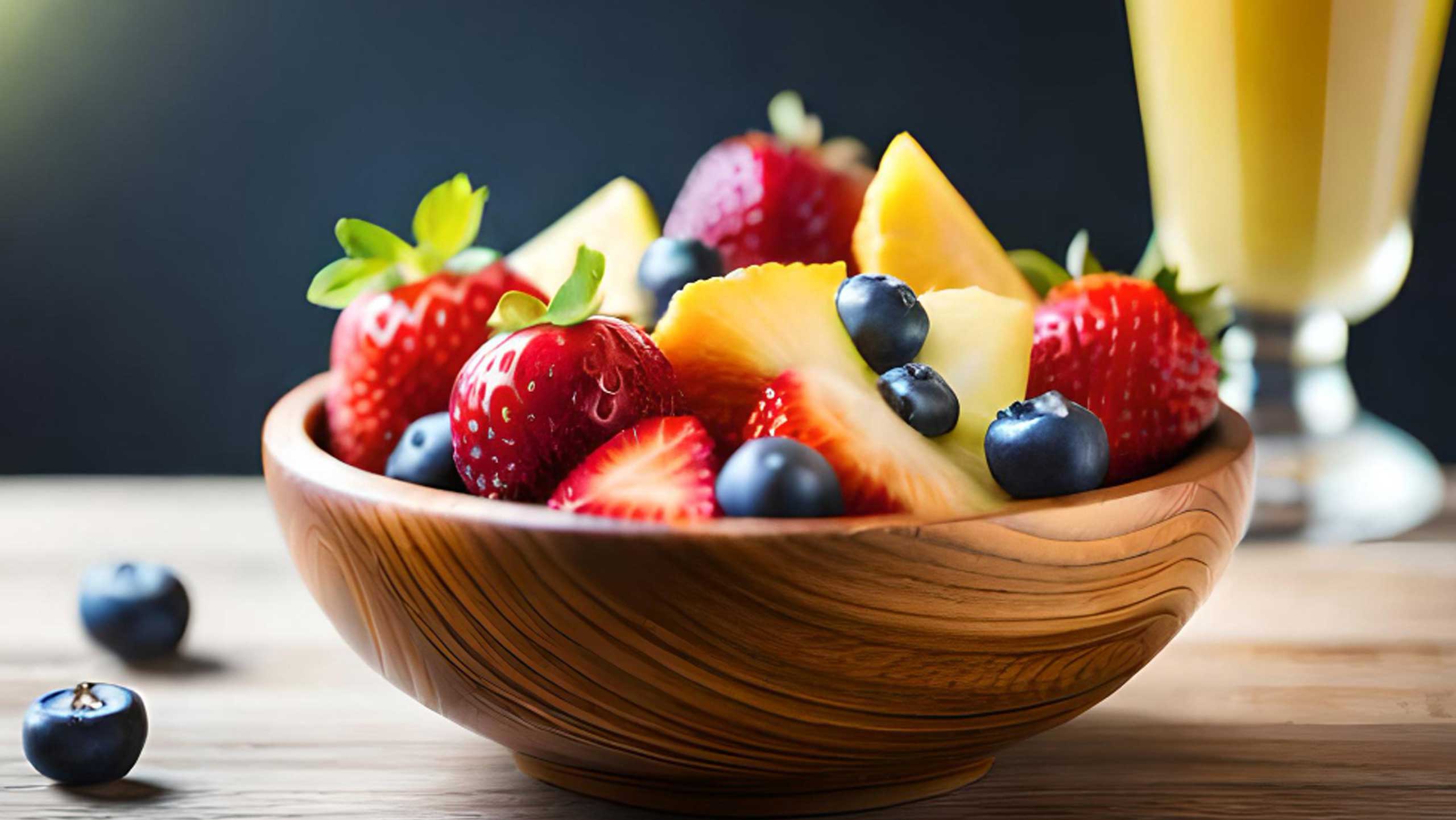
You are halfway through a three hour study session. Your stomach is growling.
You check your mini fridge and find... nothing.
So you hit the vending machine, grab a bag of Doritos and a Red Bull, and get back to work.
Twenty minutes later, you crash. Hard.
Sound familiar? You are not alone.
A study by the American College Health Association found that only 5% of college students eat the recommended daily servings of fruits and vegetables. Most students live on fast food, energy drinks, and whatever is cheapest at the campus store.
But snacking smart is not about eating salads all day. It is about picking foods that keep you full, help you focus, and do not destroy your wallet. Most of the snacks on this list cost less than $2 per serving and take under five minutes to prepare.
Here are 20 snacks that actually work for college life.
High-Protein Snacks That Keep You Full
When you need something that holds you over for a few hours, protein is your best friend. These snacks are filling, easy to store in a dorm fridge, and packed with enough fuel to get you through back to back classes.
1. Greek Yogurt with Honey and Nuts
One cup of Greek yogurt has around 15 grams of protein. That is more than two eggs. Add a drizzle of honey and a handful of walnuts or almonds, and you have a snack that tastes like dessert but actually keeps you full.
It takes about 30 seconds to put together. Buy yogurt in bulk at Costco or Walmart for around $0.75 per cup.
2. Hard-Boiled Eggs
Six grams of protein per egg. Make a batch of six on Sunday night and you have grab-and-go snacks for the whole week. Peel, sprinkle some salt and pepper, done.
They last up to a week in the fridge. Total cost: around $0.30 per egg.
3. Edamame
One cup of edamame packs 18 grams of protein. Buy a frozen bag for $2, microwave for three minutes, add salt. That is it.
It is one of the cheapest protein sources you can find, and it works hot or cold. Great for late night study snacking.
If you follow a plant-based diet, check out our guide on eating healthy as a vegetarian student for more options.
4. String Cheese
Eight grams of protein per stick. Individually wrapped, no prep needed, fits in your backpack.
A 12-pack costs around $4 at most grocery stores, which breaks down to about $0. 33 per serving.
Pair it with an apple or some crackers and you have a solid mini meal between classes.
5. Protein Bars
A decent protein bar gives you 15 to 20 grams of protein in a portable package. Look for bars with under 10 grams of sugar. KIND, RXBAR, and Kirkland Signature (Costco) are solid budget picks.
Expect to pay $1 to $1.50 per bar when you buy in bulk. Keep a few in your bag for emergencies.
Brain-Boosting Snacks for Study Sessions
Your brain burns about 20% of your daily calories, even though it only makes up 2% of your body weight. When you are studying for hours, it needs fuel. The right fuel.
Research shows that omega-3 fatty acids, antioxidants, and foods rich in flavonoids improve blood flow to the brain, sharpen memory, and help you stay focused longer. These snacks deliver exactly that.
And do not underestimate rest. Here are 7 tips to sleep better as a student.
For a deeper dive into the science, read our breakdown of foods linked to enhanced brainpower.
6. Mixed Nuts and Seeds
Walnuts are loaded with omega-3 fatty acids that support brain health. Almonds provide vitamin E, which researchers have linked to better long-term memory. Pumpkin seeds bring zinc and magnesium, two minerals most college students are deficient in.
One ounce of mixed nuts has about 185 calories and 5 grams of protein. Buy a big bag from Costco or Aldi and portion it into small snack bags for the week. Keeps you from eating half the container in one sitting.
Prep time: zero. Cost: about $0.50 per serving.
7. Dark Chocolate (70%+ Cocoa)
Yes, chocolate counts. Dark chocolate with 70% or higher cocoa content is packed with flavonoids that improve blood flow to your brain. One ounce has about 170 calories and a small amount of caffeine to keep you alert without the jitters.
The key is portion control. Stick to one or two squares, not the whole bar. Pair it with almonds for a snack that feels indulgent but is genuinely good for your focus.
No prep needed. Cost: about $0.50 per serving.
8. Blueberries
Blueberries are one of the most researched brain foods on the planet. A 2019 study published in the British Journal of Nutrition found that eating blueberries improved memory and attention in young adults within just two hours of consumption. They are loaded with anthocyanins, a type of antioxidant that crosses the blood-brain barrier.
One cup has only 85 calories. Fresh or frozen both work, and frozen is usually half the price. Toss them into yogurt, eat them straight from the container, or blend them into a smoothie.
Prep time: zero. Cost: about $1 per cup fresh, $0.60 frozen.
9. Trail Mix
Store-bought trail mix is overpriced and usually loaded with candy and yogurt-covered junk. Make your own instead.
Mix almonds, walnuts, pumpkin seeds, dried cranberries, and a few dark chocolate chips. Takes five minutes, lasts all week.
Watch portions here. Trail mix is calorie dense, about 175 calories per quarter cup. That is fine if you measure it out, but dangerous if you eat straight from the bag during a Netflix binge.
Perfect for library sessions where you need quiet, no-mess snacking. Cost: about $0.75 per serving when homemade.
10. Banana with Almond Butter
This one gives you the best of both worlds. The banana provides natural sugars for quick energy, while the almond butter delivers healthy fats and protein for sustained focus. Together, about 200 calories and 5 grams of protein.
Peel, spread, eat. Ten seconds of prep. Bananas are the cheapest fruit in any grocery store, and a jar of almond butter lasts weeks.
Cost: about $0.60 per serving.
Quick No-Prep Snacks (Grab and Go)
Some days you have ten minutes between classes. You barely have time to check your phone, let alone prepare food.
These snacks require almost no setup. Grab them from the fridge or your bag and you are good to go.
The trick is having them ready. Spend ten minutes on Sunday prepping, and you will not need to think about snacks for the rest of the week.
11. Apple Slices with Peanut Butter
This is the classic college snack for a reason. You get fiber from the apple, protein and healthy fats from the peanut butter, and it actually tastes great.
One medium apple with two tablespoons of peanut butter comes to about 270 calories and 8 grams of protein.
Pro tip: slice your apple in the morning and squeeze a little lemon juice on the slices to prevent browning. Toss them in a container with a small peanut butter cup, and you have a grab-and-go snack ready for whenever hunger hits.
Prep time: two minutes. Cost: about $0.75.
12. Popcorn (Air-Popped)
Popcorn is a whole grain. Most people forget that.
One cup of air-popped popcorn has only 31 calories. You can eat three full cups for under 100 calories, which makes it one of the highest-volume snacks that actually fills you up.
Microwave bags work in a pinch, but air-popped is healthier and way cheaper. Skip the butter. Instead, try nutritional yeast for a cheesy flavor, or cinnamon and a tiny bit of sugar for a sweet version.
Prep time: three minutes in the microwave. Cost: about $0.15 per serving.
13. Rice Cakes with Avocado
A plain rice cake is about 35 calories and gives you that satisfying crunch. Top it with a quarter of an avocado (about 60 calories of healthy monounsaturated fats), sprinkle on some salt, pepper, and red pepper flakes. Total: roughly 130 calories.
It feels fancier than it is. The healthy fats from the avocado keep your brain running, and the rice cake keeps it light enough to not weigh you down before class.
Prep time: one minute. Cost: about $0.80.
14. Cottage Cheese with Berries
Cottage cheese is the most underrated snack in any grocery store. Half a cup gives you 14 grams of protein for only 110 calories.
That protein-to-calorie ratio is hard to beat. Add some blueberries or sliced strawberries, and it tastes way better than you would expect.
If you have never tried it, give it a chance. The texture takes one or two tries to get used to, but it is incredibly filling. Keeps you satisfied for hours.
Prep time: 30 seconds. Cost: about $0.75.
15. Granola with Yogurt
Granola gets a bad reputation because most brands load it with sugar. Choose one with under 6 grams of sugar per serving, like Bear Naked or Nature's Path. A quarter cup of granola on top of Greek yogurt gives you crunch, protein, and fiber all in one bowl.
The combo runs 200 to 300 calories depending on your portions. Works perfectly as breakfast or a 3 PM pick-me-up when you are fading between afternoon classes.
Prep time: 30 seconds. Cost: about $1.00.
Snacks That Can Replace a Meal
Let us be honest. Sometimes you skip lunch.
Maybe your schedule is packed from 10 AM to 3 PM with no real break, or maybe you slept through your alarm and missed the dining hall window entirely. It happens.
These snacks are substantial enough to hold you over until your next real meal. They have more calories, more protein, and more fiber than a typical snack, but they still take under five minutes to make.
16. Smoothies
Blend one banana, a handful of frozen berries, a handful of spinach (you will not taste it, promise), a scoop of protein powder, and a cup of milk. That gives you 300 to 400 calories, 20+ grams of protein, and a full serving of fruit and vegetables in one glass.
The whole thing takes three minutes. Make it the night before, pour it into a mason jar, and grab it from the fridge on your way to class. It tastes even better after sitting overnight.
If you want full meals instead of just snacks, we have a list of cheap meal ideas for students on a budget.
Cost: about $1.50 per smoothie. A mini blender like a NutriBullet costs around $30 and pays for itself within a month.
17. Chia Pudding
Mix three tablespoons of chia seeds with one cup of milk (any kind works), stir, and put it in the fridge overnight. By morning, it thickens into a pudding-like texture. One serving has about 250 calories, 10 grams of protein, and 11 grams of fiber.
That fiber content is what makes this a meal replacement. It expands in your stomach and keeps you full for three to four hours easily. Top with fruit, a drizzle of honey, or some granola for extra crunch.
Make three or four jars on Sunday and you have grab-and-go meals for the first half of the week. Cost: about $0.80 per serving.
Want more batch cooking inspiration? Here are 11 meal prepping ideas for students on a budget.
18. Oatmeal Cups
Instant oats plus hot water. That is literally it.
Two minutes and you have a warm, filling snack with 150 to 200 calories and 5 grams of fiber. Add a tablespoon of peanut butter and half a sliced banana, and now you have a full meal pushing 350 calories and 12 grams of protein.
This is probably the most filling snack per dollar on this entire list. A canister of oats costs $3 to $4 and lasts for 30+ servings. You can keep it in your dorm room, no fridge needed.
Prep time: two minutes. Cost: about $0.25 per serving (without toppings).
19. Whole-Grain Crackers with Cheese
Pair Triscuits or Wasa crackers with a few slices of cheddar or gouda. You get fiber from the whole grains and protein from the cheese, which keeps you going until dinner. About 200 to 250 calories depending on how much cheese you use.
This combo is easy to keep in your dorm. Crackers last forever on a shelf, and a block of cheese stays good in the fridge for weeks. Slice what you need, wrap the rest back up.
Prep time: one minute. Cost: about $0.75.
20. Hummus and Veggie Sticks
Two tablespoons of hummus has about 70 calories, 3 grams of protein, and 2 grams of fiber. Dip baby carrots, cucumber slices, or bell pepper strips into it. The whole snack comes in under 120 calories and gives you a solid mix of fiber, healthy fats, and plant protein.
Buy pre-made hummus or make your own with a can of chickpeas, olive oil, lemon juice, and garlic. Homemade is cheaper and tastes better. Either way, it lasts five to seven days in the fridge.
Prep time: two minutes (just washing and slicing veggies). Cost: about $0.60 per serving.
Snacks to Avoid
We are not saying never have these. Just know what you are actually consuming when you reach for them.
Energy drinks like Monster and Red Bull have 50 to 60 grams of sugar per can. That sugar hits fast, spikes your blood sugar, and then drops you into a crash worse than where you started.
The high caffeine also triggers anxiety in a lot of people, which is the last thing you need during exam week. Vending machine candy bars are in the same category: 250+ calories of mostly sugar, gone in three bites, hungry again in 30 minutes.
Instant ramen as a snack is another trap. One packet has over 800mg of sodium (a third of your daily limit) and almost no protein or fiber.
You will feel bloated and still hungry an hour later. And those flavored coffee drinks from Starbucks?
A grande caramel frappuccino has 420 calories and 55 grams of sugar. That is more than a full meal in calories, costs $5 to $7, and gives you nothing nutritionally.
The occasional treat is fine. But if these are your daily go-to snacks, you are spending more money, getting less nutrition, and wondering why you feel tired all the time.
How to Snack Smart on a College Budget
Eating healthy does not have to cost more. In fact, most of the snacks on this list are cheaper than what you would spend at a vending machine. Here are four strategies that keep costs down.
For the full picture on student finances, check out our complete guide on how to save money as a student.
Buy in bulk.
Costco, Walmart, and Aldi are your best friends. A Costco membership split between roommates costs about $15 per person per year.
Nuts, oats, yogurt, protein bars, and frozen fruit are all dramatically cheaper in bulk. A bag of almonds that costs $8 at a convenience store is $12 for four times the amount at Costco.
Meal prep on Sundays. Spend 30 minutes on Sunday making hard-boiled eggs, portioning trail mix into bags, preparing chia pudding jars, and slicing veggies for the week. This one habit eliminates the "I have nothing to eat" excuse that sends you to the vending machine.
Use student discounts.
Amazon Prime Student gives you free delivery on grocery orders over $35, plus deals on snack subscriptions. Target Circle offers student-specific discounts on food items regularly.
Check if your campus has partnerships with local grocery stores for student pricing.
Go frozen over fresh.
Frozen fruits and vegetables are picked at peak ripeness and flash-frozen, so they are just as nutritious as fresh. They cost 40 to 50% less, last months instead of days, and never go bad in the back of your fridge.
Frozen blueberries, strawberries, and spinach are staples for smoothies and yogurt bowls.
Wrapping Up
Smart snacking is not about willpower or discipline. It is about having the right food available when hunger hits.
If your mini fridge has Greek yogurt, fruit, and some cheese, you will grab that instead of spending $3 on vending machine junk. The path of least resistance matters.
Here is the math. If you swap just one vending machine trip per day with a homemade snack, you save roughly $3 to $5 per day.
Need extra cash to fund your grocery runs? These 10 side hustles for college students can help.
That is $90 to $150 per month, or $900 to $1,500 over a school year. Enough for a spring break trip, a new laptop, or just less stress about your bank account.
Pick three snacks from this list, buy the ingredients this weekend, and try them for one week. You will notice the difference in your energy, your focus, and your wallet. That is the whole point.
Related Articles
 College Life
How to Deal with a Difficult College Roommate Without Losing Your Mind
Nearly 48% of college students report roommate conflict. The ones who handle it well act early: direct conversation, RA mediation, room change if needed.
 Jordan Williams8 min
 College Life
How to Find a College Roommate You Won't Regret by October
Most roommate problems start before move-in day. Here's how to find a college roommate the right way, with the five questions that predict whether you'll still be speaking in November.
Jordan Williams8 min College Life
Questions to Ask Potential College Roommates Before You Commit
Major and hometown tell you nothing. Sleep, mess, guests, and noise predict everything. These are the roommate questions that prevent the October regret conversation with your RA.
Jordan Williams8 min College Life
Summer Volunteer Programs for High School Students: The Pay Spectrum
Volunteering is a fantastic opportunity to give back to your community, gain valuable skills, and meet new people. Today, we'll explore the top 10 summer volunteer programs that can help you make a difference and create lasting memories. From building homes to advocating for children's rights, these
Jordan Williams10 min